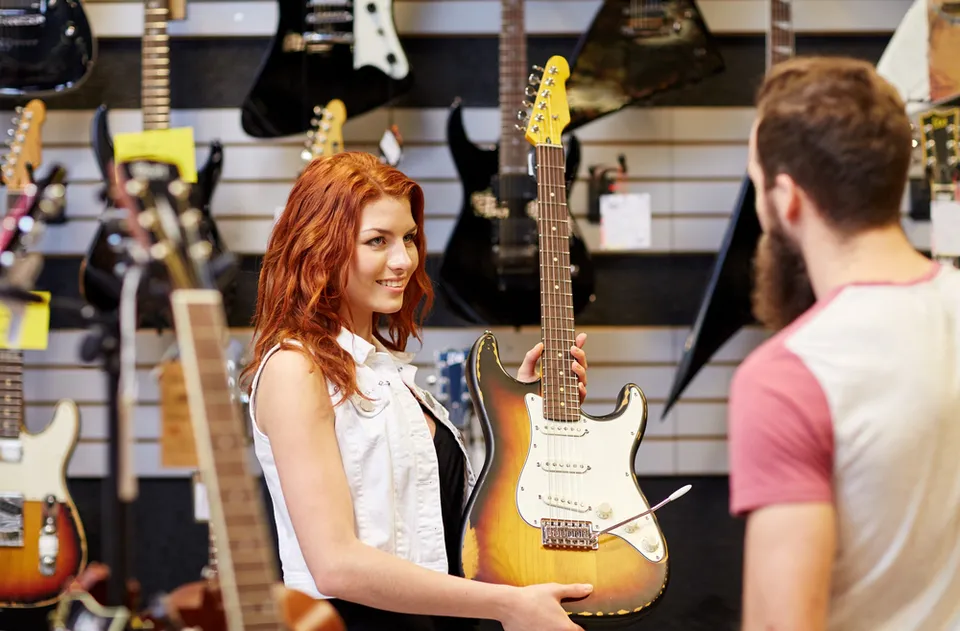
The Music Depot on Fore Street
The Music Depot is an independent shop at 99–101 Fore Street, Exeter, EX4 3HY. Its range includes pianos and keyboards, and its showroom offers opportunities to compare instruments. Check directly that a model you want to try is available before travelling. A website catalogue does not necessarily mean every instrument is on display that day.
Explain that you are choosing an instrument for piano lessons, rather than simply looking for the largest collection of sounds. Ask to compare the feel of the keys, how the sound responds to gentle and firmer playing, and the pedal arrangement. If you are a beginner, a demonstration can help you hear these differences without needing a prepared performance.
Devon Pianos for used acoustic instruments
Devon Pianos advertises reconditioned second-hand pianos, tuning and repairs, with viewings at its Marsh Barton workshop in Exeter. Its website asks visitors to arrange a viewing or telephone before dropping in, because the owner may be away tuning. Confirm the current selection and appointment arrangements rather than relying on an old listing or photograph.
Ask about an instrument’s condition, service history and the work already completed. Discuss delivery, access into your home, tuning after the move and any written warranty. An acoustic piano is a substantial purchase even when the asking price is low. The cost of moving and maintaining it needs to sit alongside the purchase price in your budget.
Digital piano or portable keyboard?
For developing piano technique, an 88-key digital piano with weighted keys is often a practical option. Touch-sensitive sound matters too: playing more gently should allow a quieter result. A lighter portable keyboard can be useful in other musical settings, but its action and range may differ considerably from the instrument used in lessons. Discuss your needs with Alex before committing to a model.
Try a familiar short phrase on each instrument at a similar volume. Listen through its speakers and, if you expect to practise quietly, through suitable headphones. Check that the supplied pedal works as expected and will stay in place. A large number of voices, lights or accompaniment features is less useful if the basic piano sound and playing feel do not suit you.
Measure the whole practice space
Measure the instrument, stand and seat together, leaving room to sit comfortably and move your arms. An adjustable bench and a stable stand can make a real difference. Check how a child will reach the pedal and whether their feet need support. Avoid planning to balance a keyboard on furniture that leaves the keys at an awkward height.
Include delivery, a suitable seat, a stand where required, headphones and the correct power supply in your spending limit. Ask which accessories are included and which are optional. For an acoustic piano, discuss the intended room with a technician, particularly if it is close to a radiator or exposed to large changes in temperature. Keep access routes and steps in mind when arranging delivery.
Books, second-hand purchases and the next step
Before ordering a tutor book or examination material, ask which title and edition you need. A similarly named book may contain different arrangements or suit a different stage of learning. For popular music, check whether the score is a solo piano arrangement, a melody with chord symbols or an accompaniment intended for a singer. The cover alone may not make that distinction clear.
If buying privately, test every key, pedal, socket and control you expect to use, and ask for an independent assessment of an acoustic instrument. Do not treat a free piano as cost-free until moving and servicing have been considered. Bring a shortlist or details of your existing keyboard to Alex when enquiring about lessons. Choosing around your current needs can leave more of the budget for making music.